
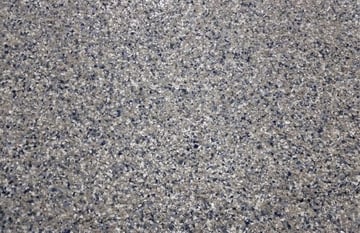
 When a facility needs a durable floor coating with a fast return to service, MMA floor coating is often part of the conversation. Methyl methacrylate, or MMA, is a resinous flooring system known for its rapid curing and strong performance in environments with low temperatures and limited time availability.
Choosing the right floor coating can impact a facility’s safety, maintenance, production schedules, and long-term operating costs. MMA flooring can be a strong option in the right setting, but depending on your facility, other specialty coatings, like epoxy, urethane, and polyaspartic, may provide comparable benefits with less cost or installation difficulty.
What Is MMA Floor Coating?
MMA floor coating is a resin-based flooring system made from methyl methacrylate, a colorless organic compound used in various industries for its durability. MMA floor coatings are commonly used in commercial and industrial environments that need hard-wearing, seamless floors with a fast cure time.
Benefits of MMA Flooring
Rapid Return to Service
One of the biggest selling points of MMA flooring is speed. It can cure faster than many traditional epoxy and urethane systems, helping reduce downtime for facilities that can’t afford extended shutdowns.
For many facilities, downtime is one of the most expensive parts of a flooring project. If production, service, or facility access has to stop for several days, the true cost of the project compounds. MMA helps reduce that disruption by allowing spaces to return to use faster than many traditional systems.
Strong Durability
MMA flooring is a durable choice for demanding environments. It can perform well in spaces exposed to foot traffic, equipment, cleaning processes, temperature changes, and general wear.
For facilities with heavy use, a durable coating system helps reduce surface deterioration, simplify maintenance, and extend the usable life of the concrete slab.
Low-Temperature Installation
Another major advantage of MMA flooring is its ability to cure in low-temperature environments. This makes it useful for refrigerated spaces, cold storage facilities, and seasonal or exterior projects where temperature control is limited.
Anti-Slip Finish Options
MMA flooring can also be designed with anti-slip textures, broadcast aggregates, and other finish options to improve traction in areas exposed to moisture, oils, cleaning solutions, or frequent traffic.
Potential Downsides of MMA Flooring
While MMA flooring has clear strengths, it’s not the right fit for every facility. The most prevalent downsides include a higher price tag and a more delicate installation process.
Higher Upfront Cost
MMA floor coating is often more expensive than other resinous flooring systems The material itself, specialized installation requirements, and project conditions can all cause the cost to mount.
For some facilities, the faster return to service may justify the higher initial investment. For others, a properly selected epoxy, urethane, or polyaspartic system may provide strong performance at a more practical price point.
Specialized Installation Requirements
MMA flooring requires experienced installers who understand the material, cure behavior, environmental conditions, and safety requirements involved. Improper installation can affect performance, appearance, and long-term durability. When you choose an MMA floor coating, ensure your installers have the necessary technical expertise.
Ventilation During Installation
MMA systems produce a strong odor (often described as fruity) during installation and curing. Because of this sharp smell, ventilation and odor management are important parts of project planning.
While MMA cures incredibly fast, the odor can penetrate the environment and linger up to a few days. This doesn’t necessarily make MMA a poor choice, but it does mean you should consider occupancy comfort, nearby operations, air movement, and scheduling before moving forward.
MMA Floor Coatings vs. Epoxy, Urethane, and Polyaspartic Coatings
MMA is one option within a broader category of resinous floor coatings. The table below provides a quick comparison between MMA and the most popular floor coating options.
|
Flooring Coating |
Best Known For |
Considerations |
|
MMA |
|
|
|
Epoxy |
|
|
|
Urethane |
|
|
|
Polyaspartic |
|
|
MMA provides the fastest possible return to service and cures more effectively in very cold conditions. Epoxy, urethane, and polyaspartic coatings better suit situations that require a balance of durability, chemical resistance, UV stability, slip resistance, and long-term value.
Where Is MMA Flooring Commonly Used?
MMA flooring is often used in industrial, commercial, and institutional facilities where speed, durability, and temperature tolerance are high priorities.
Common uses include:
- Areas that require anti-slip flooring
- Cold storage and refrigerated environments
- Commercial kitchens
- Food and beverage processing facilities
- Manufacturing facilities
- Pharmaceutical and laboratory spaces
- Retail and grocery environments
- Warehouses and distribution centers
Because MMA can cure in lower temperatures, it’s an ideal choice for cold rooms, freezer areas, or facilities where temperature control makes traditional coating installation more challenging.
Is MMA Flooring Right for Your Facility?
MMA flooring may be worth considering if your facility needs all of the following:
- Minimal downtime
- A quick-curing floor coating
- Installation in a cold environment
- Durable protection for heavy-use spaces
- Anti-slip texture options
- A seamless floor surface
If your facility needs an anti-slip, seamless flooring without the temperature or tight-turnaround considerations, another coating may meet your needs effectively at a lower price point. MMA may also not be the best fit if your facility requires occupancy during installation (given the strong fumes), has a limited budget, or has limited ventilation (to dissipate the odor).
Comparable Alternatives to MMA Floor Coating
If you’re exploring MMA flooring for your facility, you should also consider these comparable alternatives: epoxy, urethane, polyaspartic, or combination coating systems.
Epoxy Floor Coatings
Epoxy floor coatings are commonly used in industrial and commercial facilities because they provide strong adhesion, durability, and a seamless surface. They can be customized for different levels of traffic, texture, chemical exposure, and appearance.
Urethane Floor Coatings
Urethane coatings are often used as a protective topcoat over epoxy systems. They add abrasion resistance, chemical resistance, and flexibility, making them useful in environments with equipment traffic, cleaning chemicals, or ongoing wear.
Polyaspartic Floor Coatings
Polyaspartic coatings are known for fast cure times, UV stability, and resistance to chemicals and abrasion. In most environments, polyaspartic can provide a quicker return to service than traditional coatings, though MMA’s cure time is typically faster.
Anti-Slip Floor Coating Systems
For facilities concerned about safety, anti-slip coatings can be designed using textured finishes, broadcast aggregate, or other surface profiles. These systems can help improve traction in wet, high-traffic, or process-heavy environments.
How to Choose the Right Floor Coating System
The best floor coating system is the one that fits your facility’s use, schedule, safety needs, maintenance expectations, and long-term operating goals. Before selecting a system, the facility team should consider all of the following factors:
- How quickly the space needs to return to service
- Whether the area is temperature-controlled
- The level of food, cart, forklift, or equipment traffic
- Exposure to water, chemicals, oils, or cleaning agents
- Slip resistance requirements
- Ventilation limitations during installation
- Long-term maintenance expectations
- Budget and lifecycle cost
- Industry-specific standards
A professional flooring contractor can evaluate these factors and recommend a system that supports the facility’s safety, performance, and operational needs.
Talk to CPC About Industrial Floor Coating Options
CPC Floor Coatings helps facility managers, property owners, and operations teams evaluate flooring systems based on real project conditions. From epoxy and urethane systems to polyaspartic coatings and anti-slip floor solutions, CPC can help identify a floor coating system designed for long-term performance.
If you’re comparing MMA flooring to other industrial floor coating options, contact CPC Floor Coatings to discuss the right solution for your facility.