CPC Floor Coatings Blog

How to Clean the Concrete Floor in Your Industrial or Commercial Facility

Posted by Jamie Gillespie on Oct 6, 2026, 9:37:07 AM

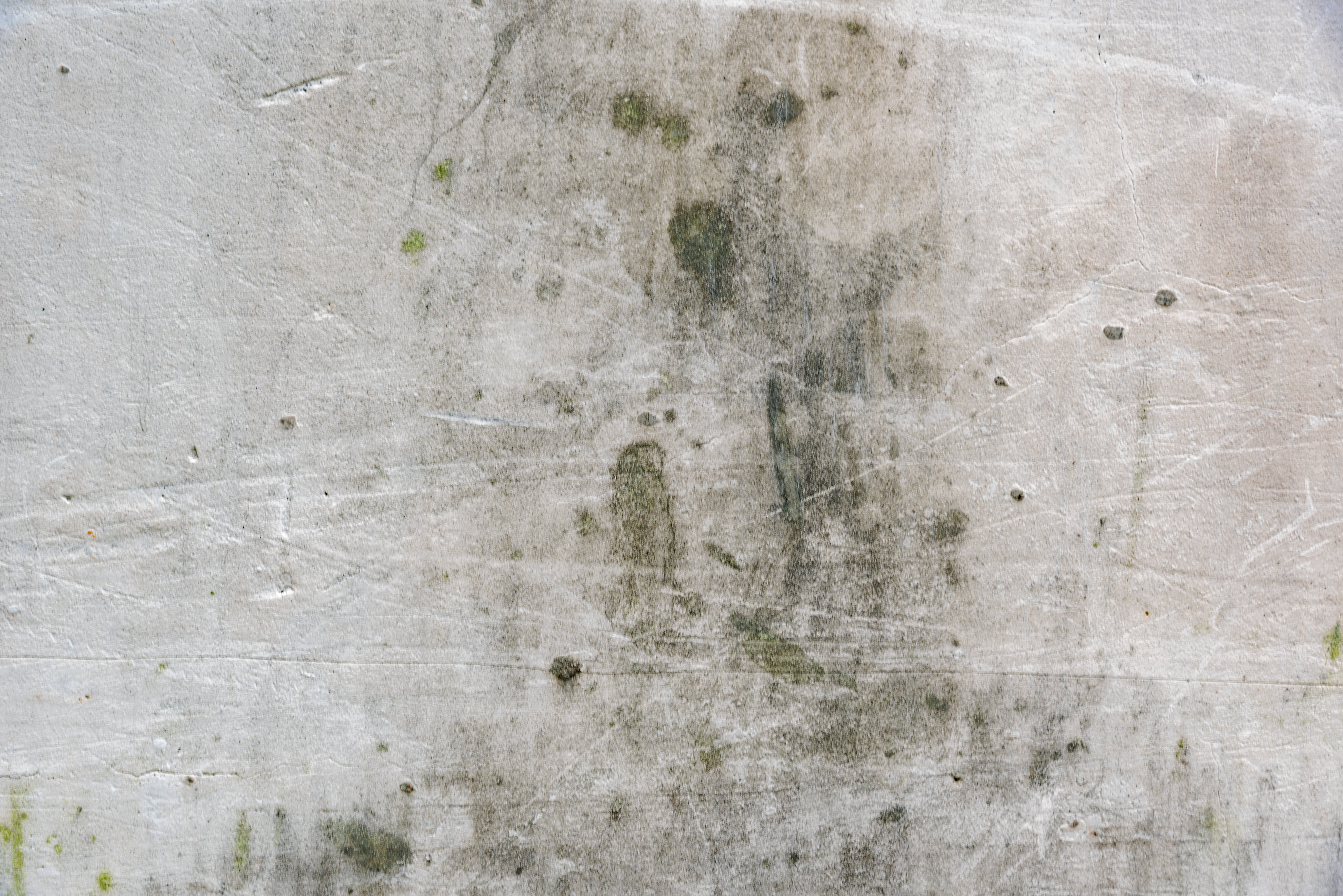
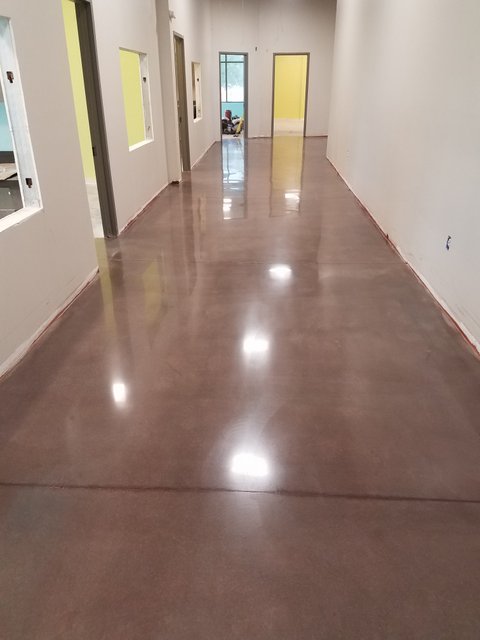
Most industrial and commercial facilities rely on concrete floors because they are durable, practical, and built for heavy use. However, even untreated concrete floors need regular cleaning and maintenance, especially when the surface will eventually be polished, coated, stained, or repaired.

If your facility is preparing for a professional floor treatment, cleaning the existing concrete surface first helps the project move more smoothly. Removing dirt, debris, oil, grease, and surface buildup gives your flooring contractor a clearer view of the slab’s condition before recommending the next step.

Here’s how to properly clean concrete floors, so that you can keep your facility looking nice while also preparing for your next polish or coating.
Read More

Topics: Concrete Polishing

How to Safely Remove Stains from Polished Concrete Floors

Posted by Jamie Gillespie on Sep 21, 2026, 2:51:05 PM

If you’ve invested in a beautiful concrete polishing job for your showroom, school lobby, coffee shop, or industrial facility, you want to keep your floor looking great. In addition to regular cleaning and maintenance, that means preventing your polished concrete floor from becoming stained or discolored.

Be aware that removing stains from polished concrete takes a bit more care than for untreated concrete applications. Some of the general advice you’ll come across for removing concrete stains can actually damage your floors, so be careful!

Read More

Topics: Concrete Polishing

Is Polished Concrete Slippery?

Posted by Jamie Gillespie on Aug 25, 2026, 1:32:50 PM

If you’re looking for an economical way to upgrade the concrete flooring in your restaurant, hospital, customer lobby or manufacturing plant, you may want to consider getting your floor polished to an attractive shine. Polishing concrete actually increases the floor’s hardness, is relatively easy to maintain, and can be enhanced with colors in addition to the glossy texture.

But does the smooth surface of polished concrete make it slippery for your employees or customers? Generally, no. But there are definitely some cases in which you don’t want to use it.

Read More

Topics: Concrete Polishing

How to Stop Concrete Floor Dust

Posted by Jamie Gillespie on Jul 27, 2026, 1:59:29 PM

If you’re the facility manager for a warehouse, hardware store, or similarly housed business, you may have noticed a fine dust that settles on your products or equipment over time. Even after vacuuming or mopping, this ever-present dust returns, perhaps even making your facility appear dingy or dirty. Worse, it may compromise the quality of your products and reduce the efficiency of your equipment.

Read More

Topics: Industrial Floor Coatings, Concrete Polishing

Polished Concrete vs. Epoxy Flooring for Industrial Applications

Posted by Jamie Gillespie on Jul 14, 2026, 9:50:00 AM

Trying to decide which concrete flooring option is best for your commercial or industrial facility?

Two common choices are polished concrete and epoxy floor coating. Both can improve the appearance and performance of an existing concrete slab, but they serve different purposes. Polished concrete refines the concrete surface itself, while epoxy flooring creates a protective coating over the slab.

The right choice depends on how your facility is used, what the floor is exposed to, and how much protection the space needs long term. Below, we’ll outline the advantages, disadvantages and recommended use cases for polished concrete and epoxy flooring.

Read More

Topics: Epoxy Coatings, Concrete Polishing

Concrete Densifier: A Guide for Facility Managers

Posted by Jamie Gillespie on Jun 30, 2026, 4:29:08 PM

Concrete floors are known for their strength, but untreated concrete can still be porous, dusty, and vulnerable to surface wear. These maintenance issues can become ongoing concerns for facility managers responsible for warehouses, industrial plants, retail spaces, schools, and other high-traffic buildings.

Concrete densifier helps strengthen the surface of an existing slab, reduce dusting, and improve long-term durability. It’s especially important in the concrete polishing process, affecting the final appearance and performance of the floor.

For facilities considering polished concrete, concrete resurfacing, or another long-term flooring solution, understanding how densifiers work can help guide the right next step.

Read More

Topics: Industrial Floor Coatings, Concrete Polishing

Durable Options for School Flooring

Posted by Jeremy Gillespie on Jun 16, 2026, 10:00:00 AM

If you’re in charge of maintaining a school building, you want to make sure you provide a cheerful, safe, and sanitary environment where children can learn, but you also know how tough kids can be on the facilities day in and day out.

Floors can be especially difficult to keep in good repair. Whether it’s because of tracked dirt, scuffing shoes, spills, or accidentally dropped items, it’s easy for school floors to start looking chipped and worn.

If you need to renovate part or all of your facility, chances are you’re looking for durable school flooring that is easy to clean, long-lasting, and appropriate for each space. The right flooring for schools often depends on how each area is used, from high-traffic hallways to classrooms, locker rooms, multipurpose spaces, and common areas.

Polished concrete and epoxy floor coatings can be economical choices for schools due to their longevity and durability. They’re also easy to clean and don’t trap allergens. Let’s look at the demands of different spaces in your school and how these types of flooring could help meet them.

Read More

Topics: Urethane Coatings, Epoxy Coatings, Concrete Polishing

What to Do When Your Industrial Concrete Floors Crack

Posted by Jamie Gillespie on Jun 1, 2026, 3:29:38 PM

Concrete floors are bound to crack over time. They cure, and then they settle, sometimes resulting in a cracked surface or slab.

Once a crack exists, it can be worsened by routine activities and common facility conditions. Moisture seeping into the cracks, exposure to oils or chemicals, poor cleaning due to existing cracks, and vehicles driving over the cracked surfaces will all aggravate cracks in a concrete floor.

There are many reasons why concrete floors crack. Expansion cracks, for example, occur when the slab doesn’t have enough room to expand or contract in response to temperature changes and stress builds within the concrete. Regardless of the type of crack, the important thing is that when it happens, you know what you should and should not do.


Read More

Topics: Concrete Polishing

Better than Paint: Colorful Industrial Floor Coatings

Posted by Jeremy Gillespie on Jun 1, 2026, 8:48:13 AM

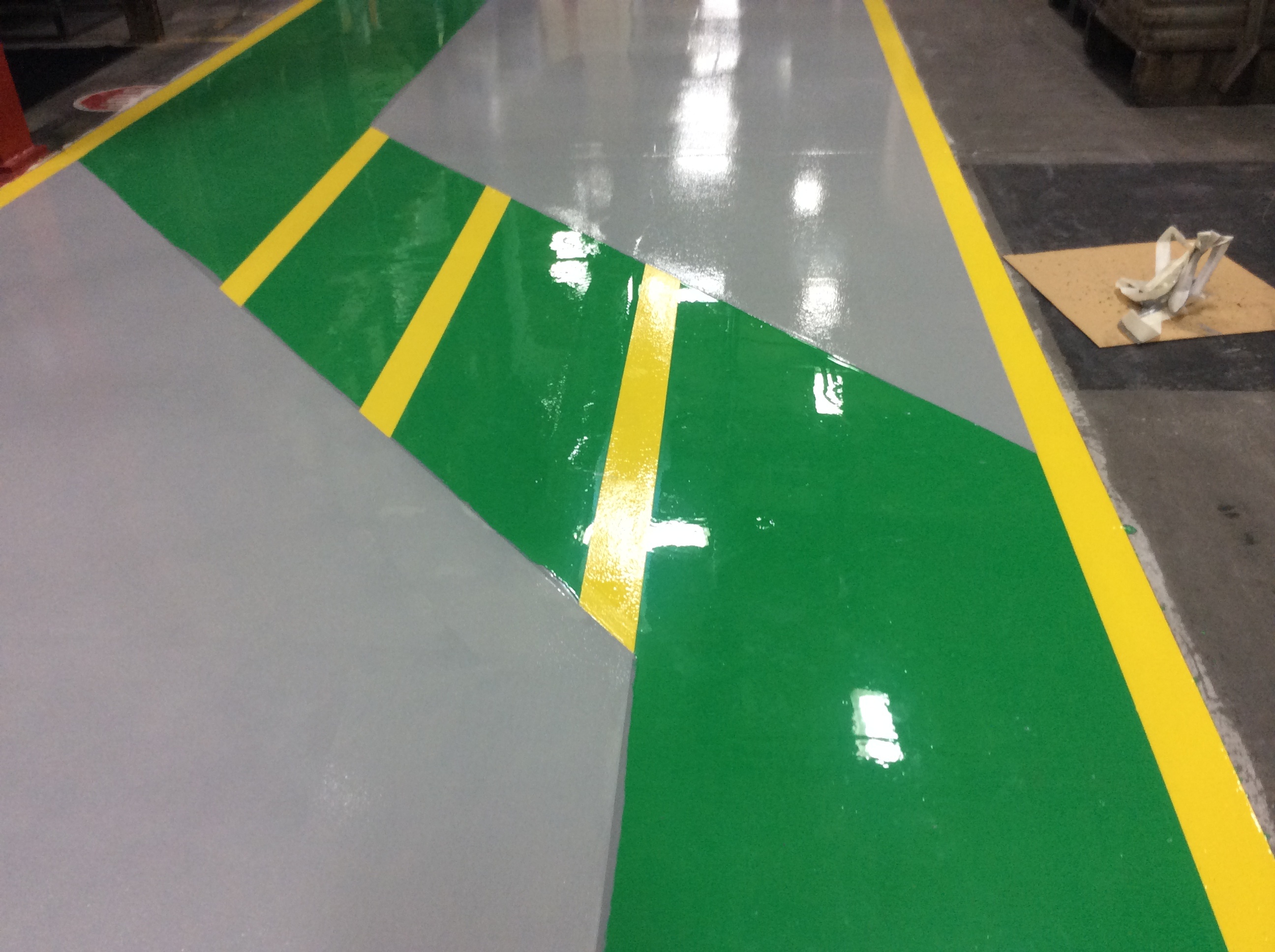
Are you looking for a colorful way to brighten up your warehouse, retail space, clinic or industrial facility? Does your production floor need marked pathways to improve the traffic flow of people and machines?

Most of us are familiar with simple paint for the former or colored tape for the latter; however, industrial floor coatings can provide an attractive color while also improving durability, cleanability, safety, and long-term floor performance.

Read More

Topics: Industrial Floor Coatings, Epoxy Coatings, Concrete Polishing

Is MMA the Right Floor Coating for Your Building?

Posted by Jamie Gillespie on May 27, 2026, 10:30:00 AM

When a facility needs a durable floor coating with a fast return to service, MMA floor coating is often part of the conversation. Methyl methacrylate, or MMA, is a resinous flooring system known for its rapid curing and strong performance in environments with low temperatures and limited time availability.

Read More

Topics: Concrete Polishing